Wildlife through the Camera
 Type
Type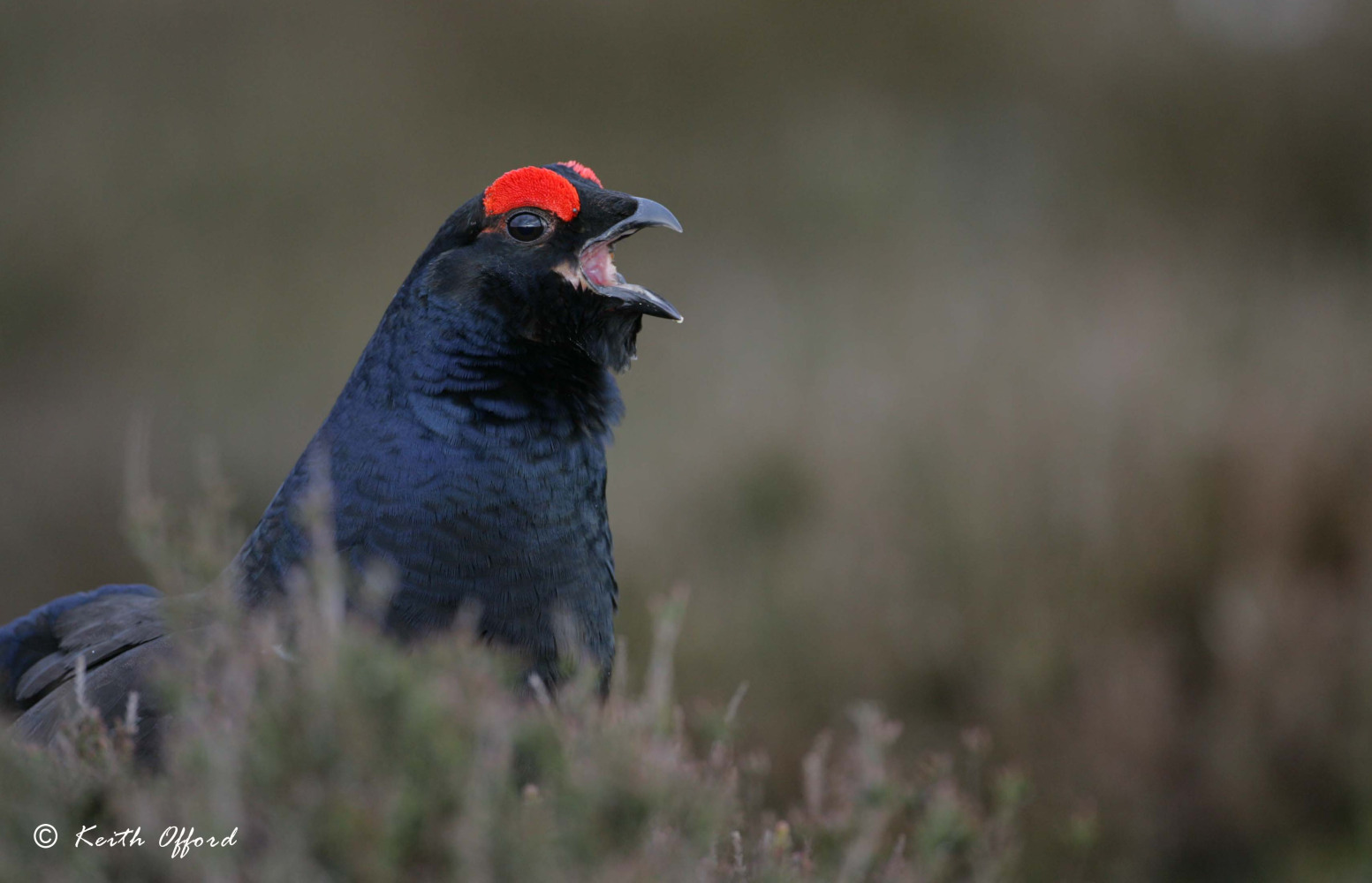
Black Grouse lekking.
Do you want to make the most of your camera and get nice wildlife shots? Here is a great opportunity to learn all about the techniques behind getting the best shots.
The opportunity to photograph wildlife surrounds us daily, whether it is the flowers in your garden, birds on the table or more ambitious subjects such as flight or night photography.
This course is designed for the beginner who may have only a basic camera and wishes to learn more about the compositional elements which make a good wildlife photograph.
Higham Hall is one of only a handful of independent residential colleges in the north of England providing a range of open learning experiences for adults.
Once people discover Higham they tend to return again and again, often for many years, such is the joy of simply spending intelligent time with like-minded people in such charismatic surroundings.
Higham’s main activity is now as an independent Educational Trust attracting around 3,000 adults each year on over 250 courses of lengths from half a day to up to a week. People come from Cumbria, the North of England, Scotland and further afield. No qualifications needed, just a desire to enjoy learning, and the warmest Cumbrian hospitality.
Day 1
5 - 6 pm Residents and non-residents check in at reception. A member of staff will allocate residents’ bedrooms and help with any queries.
6.30 pm Dinner.
7.45 - 9.15 pm
Introductions. Presentation: The Basics of Wildlife Photography. Plan for next day.
Day 2
9 - 10.30 am Practical photography session photographing still subjects in the garden.
11 am – 12.30 pm Exposure, shutter speeds and depth of field.
1.30 – 3.45 pm Practical photography session on moving objects – birds on the birdtable.
4.15 - 6 pm Equipment – cameras, lenses, hides, clothing.
7.45 - 9.15 pm Re-cap of the day. Taking better photographs – a review of your own choices and processing images.
Day 3
9 am – 12 pm
Packed coffee Field outing to Bassenthwaite for practical outdoor photographic session.
Lunch at Higham and depart.
Course materials to be brought by student:
Camera – this can be digital or conventional and either ‘point and press’ (i.e. with a fixed non-removable lens) or singles lens reflex with removable lenses. Please check that the camera is working, has a manual and a charged battery. Time will not be devoted to ‘resurrecting’ deceased cameras, or attempting to work out the function of cameras with no manual!
Tripod – if you have one.
Notebook. Also please bring along about 10 wildlife photographs which interest you – these can be your own or from books/magazines.
Clothing should be wind/waterproof, warm and ideally inconspicuous in colour. Don’t forget gloves!
Footwear should be walking boots or wellingtons as the ground will be wet in places.
A small rucksack to carry a flask and something waterproof to sit/kneel on will be necessary.
Suggested Reading:
The Art of Bird Photography – Arthur Morris.
The RSPB Guide to Digital Wildlife Photography – David Tipling
Other Information:
The programme may be varied to take account of weather conditions.
Bassenthwaite Lake, Cockermouth, Cumbria
CA13 9SH